
The New World Screwworm: Should You Be Worried?
Understanding the New World Screwworm — And What the Recent Case Means for Us
Several weeks ago, the United States confirmed a case of the New World screwworm in Texas. Naturally, that raised a lot of questions — especially for those who follow the beef industry closely. So, what exactly is the screwworm, how does it affect livestock, and what does it mean for the safety of our meat supply?
Let’s break it down.
What Is the New World Screwworm?
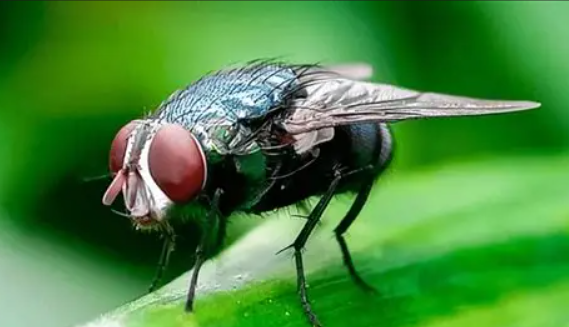
The New World screwworm is a type of fly that lays its eggs on mammals, typically in open wounds. A single adult fly can lay hundreds of eggs at a time. When those eggs hatch, the larvae feed on the animal’s living tissue — which is why early detection and treatment are so important.
This pest historically caused major problems in the U.S. decades ago, but it was successfully eradicated through coordinated national efforts. The recent case in Texas is concerning, but not unexpected — officials have been monitoring its slow movement north from Mexico for the past two years.
Why the Beef Industry Is Getting the Most Attention
You may notice that most of the news coverage focuses on cattle, and there’s a good reason for that.
Unlike swine and poultry, which are typically raised indoors, cattle live outdoors, exposed to the elements and more vulnerable to pests like the screwworm. That doesn’t mean other livestock can’t be affected — but cattle are simply at higher risk due to their environment.
It’s also important to understand that the screwworm is an infestation, not a disease. This is very different from something like avian flu. If larvae are found on one animal:
- That animal can be isolated and treated
- It does not automatically mean the entire herd is compromised
- Severely infested animals are removed from the food supply
- Successfully treated animals can safely return to the food chain
As Nebraska Cattlemen President Craig Uden put it, “the U.S. beef supply is safe.”
How Ranchers Respond — And Why Vigilance Matters
Having family in the beef industry, I know firsthand how seriously ranchers take animal health. My brother walks his cattle yards every single day, checking for injuries, infections, or anything out of the ordinary.
With the screwworm on the radar, ranchers will need to be even more vigilant:
- Watching for open sores or wounds
- Treating injuries quickly
- Monitoring animals closely for signs of infestation
The good news is that screwworm infestations are treatable, and early intervention is extremely effective.
Will This Affect Beef Prices?
Possibly — but not necessarily dramatically.
If a significant number of animals must be removed from the food supply, prices could be impacted. However, the U.S. has been planning for this exact scenario for two years. Officials, veterinarians, ranchers, and processing facilities have coordinated protocols in place.
And remember: this isn’t our first encounter with the screwworm. The U.S. eradicated it once before, and we have the tools and experience to do it again.
I won’t claim with certainty that prices won’t move — the cattle market is complex even on a normal day — but I can say this: the beef supply remains safe, and the industry is well‑prepared to manage and eliminate this pest.
The Bottom Line
The New World screwworm is a serious livestock pest, but it’s treatable, manageable, and not a threat to the safety of your beef. With proper monitoring and rapid response, the U.S. is positioned to keep this issue contained and eventually make it a non‑issue again.