
Why Beef Prices Are So High and What It Means for Iowa
If you’ve felt the sting of high beef prices lately, you’re not imagining it. The U.S. beef supply is under real pressure, and several forces are pushing prices to historic highs.
A Shrinking National Herd
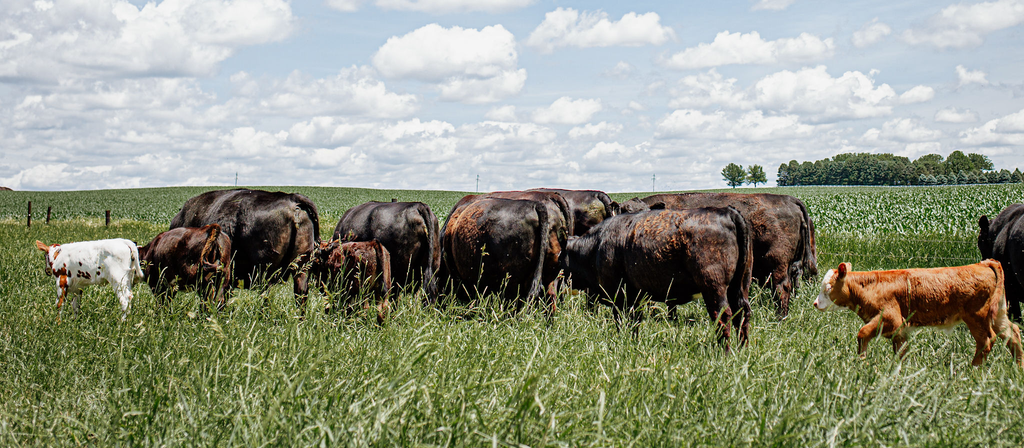
Much of the story starts out West. Years of drought have limited grazing, forcing ranchers to reduce herd sizes. Today, the United States has the fewest head of cattle since the 1960s. When the national herd shrinks, every part of the supply chain feels it.
To make matters tighter, many ranchers have been selling heifers—young females that would normally be kept to grow the herd—because beef prices are so strong. That boosts short term income but slows long term recovery. There are early signs that more heifers are being held back again, but even if that trend continues, it takes 2–3 years before those animals become reproductive. In other words, relief won’t be quick.
Global Pressures Aren’t Helping
A few international factors are adding fuel to the fire:
• A temporary ban on cattle imports from Mexico due to screwworm concerns
• Limited flexibility in global beef supply, meaning the U.S. can’t easily offset domestic shortages with imports
With fewer imported cattle and tight global supply, the U.S. market remains strained.
Demand Is Still Strong
Despite higher prices, Americans haven’t backed away from beef. Demand has stayed remarkably resilient, especially for ground products. Consumers are adjusting what they buy, not whether they buy.
Are Iowa Farmers Benefiting? Not Exactly.
You might assume high beef prices mean Iowa farmers are cashing in. The reality is more complicated.
Most Iowa cattle feeders buy young calves from ranchers out West, and those calves are extremely expensive right now. That means local farmers are paying top dollar for animals but aren’t necessarily seeing higher profit margins. The only group truly benefiting at the moment are the ranchers who own the cow calf herds—and even they’re “robbing Peter to pay Paul” by selling heifers instead of rebuilding their herds.
How Consumers Are Adapting
We’re seeing a shift in buying habits:
• Less ribeye, strip, and tenderloin
• More ground beef, patties, and value driven cuts
But before you switch entirely to ground beef, there are fantastic steak options that deliver big flavor without the premium price tag.
Great Value Steaks Worth Trying
If you want steak night without the sticker shock, look for:
• Chuck eye steaks — often called the “poor man’s ribeye”
• Flat irons — tender, beefy, and incredibly versatile
• Hanger steaks — rich flavor, great for marinades
• Shoulder tenders — a hidden gem that eats like filet
These cuts offer excellent eating quality at a fraction of the cost of the big three (ribeye, strip, tenderloin).