
Where Your Meat Comes From: The Ongoing Debate Over COOL & “Product of USA” Labels
For years, customers across the country have asked a simple question:
“Where does my meat actually come from?”
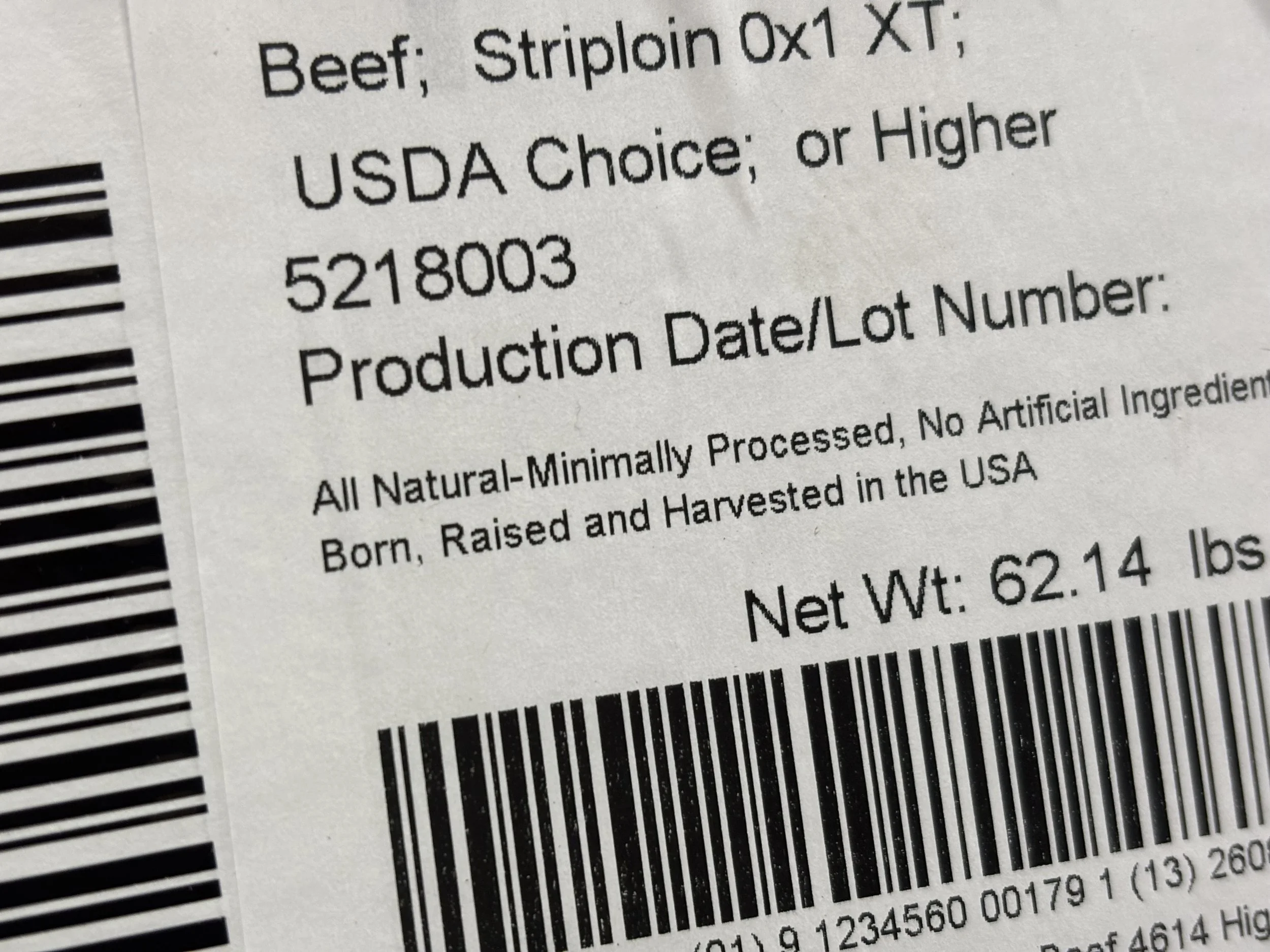
It’s a fair question — especially when headlines about recalls or imports pop up. And while we always tell customers exactly where our beef comes from (Iowa and South Dakota), the national conversation about meat origin labeling is far more complicated.
Today, two major labeling systems shape how meat origin is communicated in the U.S.:
Mandatory Country of Origin Labeling (COOL)
Voluntary “Product of USA” claims
Both have long, messy histories — and both affect how consumers interpret labels at the grocery store.
Why COOL Matters — and Why It Was Removed for Beef & Pork
COOL was originally created to give shoppers clear information about where their meat came from. The idea was simple: If a steer was born, raised, or slaughtered outside the U.S., the label should say so.
But the implementation was anything but simple.
According to the Iowa Cattlemen’s Association fact sheet, COOL rules for beef and pork were repeatedly challenged by Canada and Mexico at the World Trade Organization (WTO). The WTO ruled that COOL discriminated against imported livestock because it forced processors to track and segregate animals by origin — a costly burden.
After multiple rulings and the threat of nearly $1 billion in retaliatory tariffs, Congress removed beef and pork from COOL in 2016. Since then, mandatory origin labeling for beef and pork has not existed in the U.S.
Other foods — lamb, chicken, fish, nuts, and more — still require COOL. But beef and pork do not.
The New “Product of USA” Rule — Effective January 1, 2026
With COOL gone, many processors began using voluntary labels like “Product of USA” even when the animals were born and raised abroad. As long as the meat was processed in the U.S., the claim was allowed.
Consumers hated this. Ranchers hated it more.
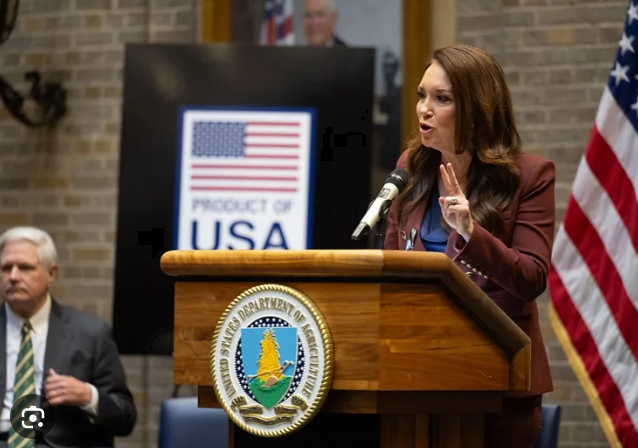
So in 2024, USDA’s Food Safety and Inspection Service issued a new rule — fully in effect as of January 1, 2026 — redefining what “Product of USA” means.
Under the new rule, the claim can only be used if:
The animal was born, raised, slaughtered, and processed in the United States.
This closes the loophole that allowed foreign-born cattle to be labeled as U.S. product after minimal processing.
Companies using the claim must keep documentation proving compliance.
Is the Problem Finally Solved? COOL vs. Product of USA — Why the Debate Isn’t Over
With the new Product of USA rule now in effect, you might think the labeling debate is finally settled. After all, the updated rule requires that any meat labeled “Product of USA” must come from animals born, raised, slaughtered, and processed in the United States. That’s a huge improvement over the old system, where foreign-born cattle could be processed here and still carry a U.S. label.
So if the loophole is closed…
Why are President Trump, several U.S. Senators, and many rancher groups still pushing for Mandatory Country of Origin Labeling (MCOOL)?
The short answer:
They want every package of meat — not just voluntarily labeled products — to clearly state the country where the animal was born, raised, and harvested.
Here’s how the two sides break down.
Why Ranchers and Some Lawmakers Still Want MCOOL
Many U.S. ranchers argue that even with the improved Product of USA rule, voluntary labeling still isn’t enough. Their position is straightforward:
Consumers deserve full transparency.
Imported beef should not be confused with U.S. beef.
American ranchers should be able to differentiate their product in the marketplace.
COOL gives U.S. producers a fair shot against cheaper imports.
President Trump and several Senators have echoed this view, saying that mandatory origin labeling would help American agriculture and give shoppers clearer information.
Their goal is simple:
Every package of meat should tell you exactly where the animal came from — no exceptions.
Why the Meat Institute Strongly Opposes MCOOL
Organizations like the North American Meat Institute (NAMI) argue that reinstating MCOOL would be extremely costly and would ultimately hurt consumers. Their concerns include:
Billions of dollars in new tracking and segregation costs
They argue that processors would need to overhaul recordkeeping systems to track every step — where the animal was born, raised, harvested, processed, etc.
Higher beef prices for consumers
NAMI warns that these costs would be passed down the supply chain, raising retail prices at a time when beef is already expensive.
Risk of renewed trade retaliation
The WTO previously ruled MCOOL discriminatory, and NAMI believes reinstating it could trigger new trade disputes.
No food safety benefit
They emphasize that imported beef already must meet USDA standards.
Their position is summed up in one line from their public statement: “Mandatory COOL raises costs for consumers and violates our trade commitments.”
Why Product of USA Still Matters
Even though the debate continues, the new Product of USA rule is a meaningful step forward. It ensures that when you see that claim, you’re truly getting meat from animals raised under U.S. standards — not foreign cattle simply processed here.
For Old Station customers, that’s important.
We source beef from Upper Iowa Beef and Demkota Ranch Beef, both handling U.S.-born, U.S.-raised cattle. Our ground beef comes from whole-muscle clods, not imported trim. Under the new rule, our beef qualifies for Product of USA.
So while the national debate continues, you can feel confident knowing:
Your meat is local, traceable, and raised under U.S. rules from start to finish.